Astounding as it is the complex web of life is a serene picturesque setting that is salubrious and instills calm and peace among the visitors. Time alone knows the origin of this wonderful land of the tigers but in the contemporary era, we can explore and understand what is now Kanha National Park.
Situated in Central India Kanha is an ecosystem...the last remaining vestige of an erstwhile contiguous forest among the highlands of Madhya Pradesh, Chhattisgarh, and Maharashtra. Nestled between Satpura and Vidnhyan Ranges the fragrant remains are testimony to India of the past where wilderness ruled over scant urbanity and the tigers ruled over the vast kingdoms.
White Bellied Drongo
Serpent Eagle
Long Tailed Shrike
Dhol
Fig
Well, not all are lost tiger reserves such as Kanha, Panna, Pench, Satpura, Bandhavgarh and Tadobah albeit isolated offer succor to amazing biodiversity that is preserved for posterity. Often called protected areas or PAs these last remaining ecosystems offer hope to the beleaguered tiger and co-inhabitants.
In the mind-boggling rabid race for urbanization and development campaigns benefiting India's teeming millions, the tiger reserves are facing an uphill task to preserve themselves as humans invade the fragile web of life what we call the forest ecosystem.
My work as a naturalist accords a chance to photograph the wonderful biodiversity and present it to the blog readers.
======================================
Black Buck
Lotus
Brown Headed Barbet
Brook
Spotted Deer
Branderi Swamp Deer
Crimson Tailed Marsh Hawk
Grey Headed Fish Eagle
Crested Hawk Eagle
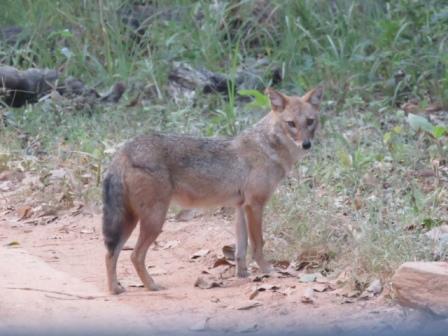
Jackal
Leopard (Andrew)
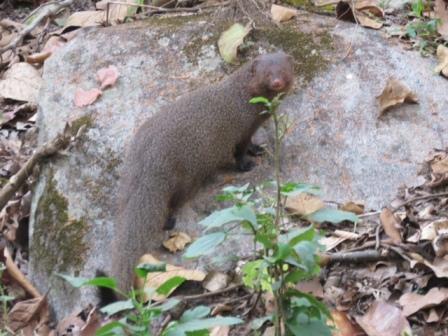
Ruddy Mongoose Pair
Ruddy Mongoose (ANDREW)
scaly breasted munia (Andrew)
Puff ball fungi
India scops owl
Grey breasted munia
rock python
sambar deer stag
Giant Wood Spider
Sunset
Antill
Tiger
Bee Eater
Black Buck
Brown Shrike
Common Teals
White Eyed Buzzard
Pied Bushchat
Plain Prinia
Pond Heron
Indian Scops Owl
Shikra
Scarlet Minivet
Giant Wood Spider in Web
Sinduri Tree
Lesser Adjutant Stork
Swamp Deer Stag
Tigress
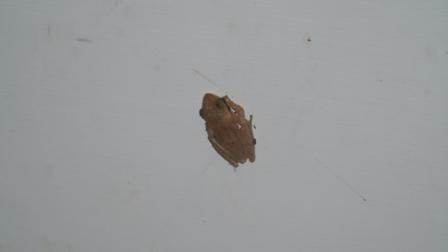
Tree Frog
Flapshell Turtle
Ultramarine Flycatcher
Grey Capped Pigmy Woodpecker
Wooly Necked Stork
Gadwall
Cotton Pigmy Goose
Langur Monkey
Green Pigeon
Green Sandpiper
Gaur Male
Gray Langur
Crested Hawk Eagle
Jerdon's Baza
Red Jungle Fowl
Common Kingfisher
White Throated Kingfisher
Monitor Lizard
Barking Deer
Monk Vulture
Alexandrine Parakeet
Barred Jungle Owlet
Brown Fish Owl
Richard's Pipit
Through these pictures, I wish to portray a holistic view of our tiger reserves. Under constant human threats, these wonderful islands of hope should be preserved for eternity but an uncertain future remains for the animals, plants, insects, reptiles, flora, and other elements that make up this incredible microcosm of life in India.
======================================= Uday works as a naturalist in Central India and also loves to write about tiger reserves and conservation. He also provides SEO Services and Website Content in English. He organizes summer classes in Digital Marketing in Jabalpur his hometown. Contact: pateluday90@hotmail.com Mob: 09755089323
These mysterious creatures have lately given us the impression that we have come to know everything about them. Do we?
There is an aura around them and a mystery that deepens more whence you get to know them on your search in the reserve. I have come across the tigress subject of this entry earlier along with her three siblings time and again during their growing up period at Kanha National Park in Central India or the State of Madhya Pradesh.
Unfortunately of the four siblings, two have been able to survive? Tigress cubs are often killed by rival males that have not sired them. Death can be a brutal mauling at the hand of the intruder. Hence until unless a surviving cub does not carve-outs in its own territory with dominance, its survival is under question. A relief discovery is that rival makes would more likely kill male cubs than females. But all younger cubs are killed if the rival wants to induce estrous in the mother.
Tiger Cub
So we set out with Aaron and his parents in search of tigers and other animals whence they arrived at Courtyard House as guests on safaris. We did come across a tiger hidden amongst the bush and we could see its back, head, limbs, and body all disjointed by the bush. It was on a kill and we could hear the breaking of the bones as well. Well, that's that!
Our search for tigers was disrupted by rains now and then and we had given up all hope of seeing another. We did manage to see lovely creatures of the reserve and photograph them much to our joy!
Aaron had a wish on his birthday to see a tiger on the road. Well, it rained and rained. Huddled under the tarpaulin on the gypsy we had given up all hope for sighting a big cat on the road.
"Tigers like us are irritated by droplets falling on them." Perhaps their metabolism slows down due to drop in temperature." This was my explanation to rather disappointed Aaron. I had seen a few big cats enjoying the rain during my work as a naturalist.
While returning back to the camp, I decided to take the route where we had found tiger droppings and heard calls some distance away. "There is a thin chance.......". "And the road is devoid of traffic that will increase our chance." A path less traversed.
It was drizzling whence we were surprised by a young tigress peering at us from the bush beside the road.
"Tiger Loooooooooooooook!"
The rain-drenched creature was simply staring at us for a long time awestruck perhaps. Ha!
It then came on the road at a distance crossed over and was gone.
"Aaron Your Birthday Wish, I announced gleefully!"
Tiger in Rain
Tigers are creatures of purpose and the rain does not hamper them. I made another discovery that day.